

Molecular Biotechnology
Find Your Field in Molecular Biotechnology
-
Molecular biologists or cellular biologists (sometimes called biochemists) study the molecular mechanisms by which cells feed, divide, and grow.
-
They may design molecular or cellular laboratory experiments, interpret results, write grant applications, perform laboratory procedures like DNA cloning and extraction, or conduct research on cell organization and function, including mechanisms of gene expression, cellular bioinformatics, cell signaling, or cell differentiation.
-
They typically work in laboratories and offices to conduct experiments and analyze the results. Most work full time.
-
Molecular biologists need a Ph.D. to work in independent research and development. Many Ph.D. holders begin their careers in temporary postdoctoral research positions. Bachelor’s and master’s degree holders qualify for some entry-level positions in biochemistry and biophysics.
-
The median annual wage is $107,460 in May 2023 and employment is projected to grow 9 percent from 2023 to 2033, much faster than the average for all occupations.
-
Geneticists research and study the inheritance of traits at the molecular, organism or population level. May evaluate or treat patients with genetic disorders.
-
Sample of reported job titles: Cardiovascular Geneticist, Medical Geneticist, Research Scientist, Scientist
-
Geneticists may supervise or direct the work of other geneticists, biologists, technicians, or biometricians working on genetics research projects. They may also plan or conduct basic genomic and biological research related to areas such as regulation of gene expression, protein interactions, metabolic networks, and nucleic acid or protein complexes.
-
Most of these occupations require graduate school. For example, they may require a master's degree, and some require a Ph.D., M.D., or J.D. (law degree).
-
Mean wage in 2023 was $43.80 hourly and $91,100 annual. Projected growth over the next 10 years is faster than average (6% to 8%)
-
Bioengineers and biomedical engineers combine engineering principles with sciences to design and create equipment, devices, computer systems, and software.
-
They work in manufacturing, in research facilities, and for a variety of other employers. Most work full time, and some work more than 40 hours per week.
-
A bachelor’s degree in molecular biotechnology, paired with an advanced degree in an related engineering field would prepare you well for this type of career field.
-
The median annual wage was $100,730 in May 2023.
-
Employment is projected to grow 7 percent from 2023 to 2033, faster than the average for all occupations.
- More information on this career...
-
Medical scientists conduct research aimed at improving overall human health. They often use clinical trials and other investigative methods to reach their findings. Medical scientists form hypotheses and develop experiments. They study the causes of diseases and other health problems in a variety of ways.
-
They can be clinical pharmacologists who research new drug therapies for health problems, such as seizure disorders and Alzheimer’s disease, medical pathologists who research the human body and tissues, such as how cancer progresses or how certain issues relate to genetics, or toxicologists who study the negative impacts of chemicals and pollutants on human health.
-
Medical scientists typically work in offices and laboratories. Most work full time, and some work more than 40 hours per week.
-
Medical scientists typically have a Ph.D., usually in biology or a related life science. Some get a medical degree instead of, or in addition to, a Ph.D.
-
The median annual wage for medical scientists was $100,890 in May 2023. Employment of medical scientists is projected to grow 11 percent from 2023 to 2033, much faster than the average for all occupations
- More information on this career...
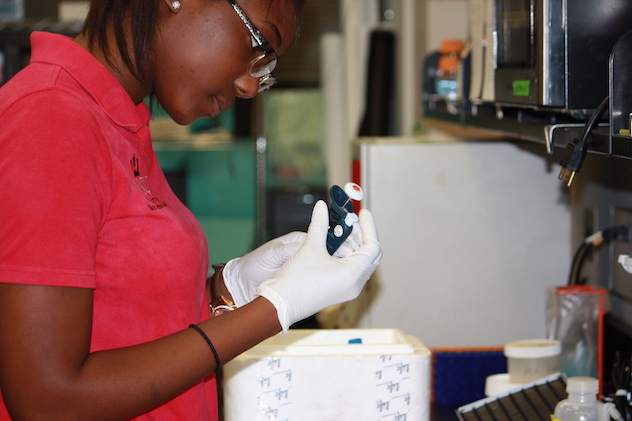
Research Assistant
Geneticist
Professor
Research Scientist
Molecular Biologist
Clinical Pharmacologist
Medical Pathologist
Toxicologist
Biological Technician
Laboratory Assistant
Product Scientist
Product Specialist
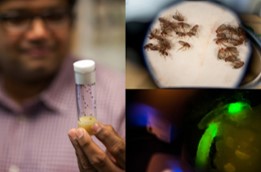
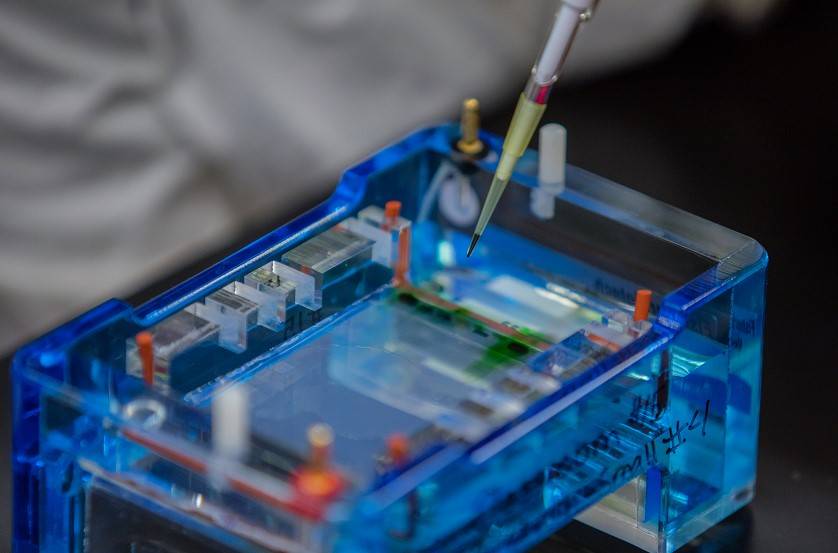
Research Organizations
Colleges & Universities
State and Federal Agencies
Non-profit Organizations
Medical Research Facilities
Hospitals
Counseling Centers
DNA Data Banks
Medical Centers
Pharmaceutical Companies
Biotech Start-Ups
Private Business
Know Your Path in Molecular Biotechnology
Biology & Science Core
Cells, Metabolism, & Genetics + Lab • Ecology, Evolution & Diversity + Lab • Algebra OR Calculus • Biophysics + Lab • Chemistry + Lab • Professional Aspects of Biology
MB Requirements
Genome Discovery Exploration • Microbial Biology and Diversity + Lab • Bioinformatics • Introduction to Molecular and Cell Biology + Lab • Genetics + Lab • Introduction to Recombinant Genetics • Cooperative Education in Biology OR Research Problems in Biology • Introductory Biostatistics • Contemporary Issues in Biotechnology • Cell Biology • Biochemistry + Lab • Biophysics II + Lab • Quality Assurance OR Project Management OR Technology Management / Supervision / Team Building
MB Electives
[Students select 3-4 of these courses, based on their own interests, including any from the list above not taken as a requirement. Other choices include the below]
Evolution: Theory and Process • Immunology • Animal Physiology • Neurobiology • Molecular Basis of Cancer • Techniques and Theory of Electron Microscopy • Virology • Cell Biology Laboratory • Introduction to Toxicology • Developmental Genetics • Endocrinology • Biochemistry II • Pathogenic Microbiology • Plants as Alternative Therapeutics • Molecular Genetics • Plant Biotechnology
MB Example Courses for Selection: General Education Requirements
Health Literacy for Consumers • Personal & Public Health • Environmental Science • Complementary Health Care • Human Values and Health Science
This major has allowances for an added minor or certificate.
These would pair well:
Find Your Place in Molecular Biotechnology

The Biology Department has lots of student organizations to chose from. These clubs are great way to make friends, get involved, and enhance your experience in our department! The Association of Undergraduate Geneticists (AUG) or Microbiology Club would be great options for MB majors.
There are many opportunities to participate in research as an undergraduate student in our department, from genomics to bioinformatics, and from cancer reaserach to nuerobiology. Our undergrads regularly present at conferences and contribute to new discoveries! Find an MB lab today!
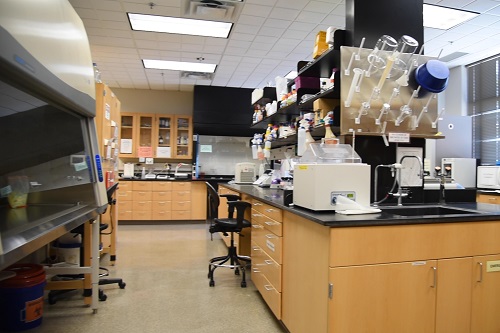
The Biotechnology Center at Western Kentucky University was established to facilitate hands-on educational opportunities for Biology students and to provide technical and educational services and faculty research. The Biotechnology Center is a part of Western's Applied Research and Technology Program.

The mission of the KAS is to catalyze scientific communication and collaboration that will improve research, education, and evidence-based public engagement within the Commonwealth of Kentucky. Select: Membership >> Become a Member >> Join Online Now. On the form, select WKU as your institution and use your WKU e-mail.
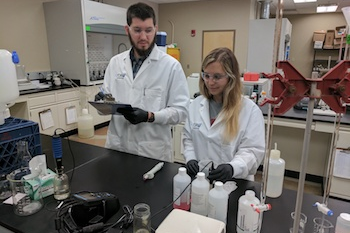
Applied Research and Technology Program (ARTP) consists of 13 scientific and service-oriented Centers providing opportunities for undergraduates to transition from academia to the workplace or graduate programs through participation in applied research and technological projects.
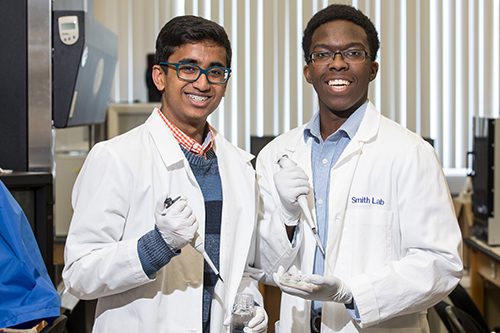
An internship is a great way to get hands-on exposure to different disciplines within biology. Internships can help you decide if your chosen career is right for you! They provide experiential hours required by many professional societies and you can get upper-level biology credit (BIOL 369).
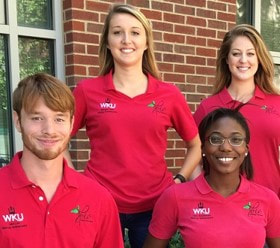
Biology Ambassadors are an elite group of students who assist with recruitment, retention, and advising. They help prospective students and visitors understand that the Biology Department is truly an exceptional place.

BioCoaches are talented upper division students that serve as peer mentors and learning assistants in our introductory courses. Serving in BIOL 120 is best for AM students, and you'll receive course credit for playing a vital role in student success.
Special Note: Effective Fall 2026, the Department of Biological Sciences will be suspending the B.S. Program in Molecular Biotechnology and recasting it as a curricular concentration within our B.S. in Biology Program. Any students already enrolled in the MB major will have the option to either (1) complete the program as originally planned, or (3) change their major to Biology with a concentration in Molecular Biotechnology. All MB-related courses will continue to be offered, and the knowledge and skills gained through the MB concentration will be the same as in the current major; however, the total credits required will be reduced from 84 to 54. If you have questions, please reach out to your faculty advisor or email biology@wku.edu.
Next Chance to Register for Classes
Some of the links on this page may require additional software to view.