

Molecular Biotechnology
Find Your Field in Molecular Biotechnology
- Molecular biologists study biological processes at the molecular level, including the structure and function of DNA, RNA, proteins, and other molecules involved in cell function, heredity, development, and disease.
- Molecular biologists typically work in laboratories and offices conducting experiments and analyzing results. Employment opportunities include biotechnology and pharmaceutical companies, research organizations, universities, and government laboratories.
- A Bachelor's degree can qualify graduates for some entry-level laboratory and research positions. A Ph.D. is typically required for independent research and development and advanced research positions.
- Median annual salary: $127,410 per year for biochemists and biophysicists, the BLS occupational category that most closely encompasses molecular biologists.
- Employment is expected to grow approximately 12% from 2025–2035 — much faster than average.
- More labor statistics for this sector...
- Geneticists study genes, heredity, and genetic variation at the molecular, organismal, or population level. Their work may involve identifying gene function, studying genetic contributions to disease, analyzing genomic data, or developing methods for modifying or manipulating genes.
- Geneticists may conduct research in universities, biotechnology and pharmaceutical companies, medical and diagnostic laboratories, government agencies, and other research organizations.
- A Bachelor's degree can provide entry into laboratory and technical positions, while advanced research positions generally require graduate training. Independent research positions typically require a Ph.D.
- Because BLS does not maintain a separate occupational category for “geneticist,” Biochemists and Biophysicists is an appropriate federal labor-statistics comparison for molecular/genetic research careers.
- Median annual salary: $127,410 per year.
- Employment for biochemists and biophysicists is expected to grow approximately 12% from 2025–2035 — much faster than average.
- More labor statistics for this sector...
- Bioengineers and biomedical engineers combine principles from biology, medicine, and engineering to develop technologies that improve human health. They may design medical equipment and devices, develop biological products and processes, or work with computer systems and other technologies used in health care and biomedical research.
- Biomedical engineers work in manufacturing, research facilities, universities, medical settings, and biotechnology-related industries.
- Biomedical engineers typically need a Bachelor's degree in bioengineering, biomedical engineering, or a related engineering field; some positions require graduate education.
- Median annual salary: $109,370 per year.
- Employment is expected to grow approximately 8% from 2025–2035 — much faster than average.
- More labor statistics for this sector...
- Medical scientists conduct research aimed at improving human health. They investigate diseases and biological processes, develop and test drugs and other treatments, and use laboratory and clinical research to improve the prevention, diagnosis, and treatment of disease.
- Medical scientists typically work in laboratories and offices, including research and development organizations, pharmaceutical companies, hospitals, universities, and medical and diagnostic laboratories.
- Medical scientists typically have a Ph.D. in biology or a related life science. Some earn a medical degree instead of, or in addition to, a Ph.D.
- Median annual salary: $103,410 per year.
- Employment is expected to grow approximately 13% from 2025–2035 — much faster than average.
- More labor statistics for this sector...
Research Assistant
Geneticist
Research Scientist
Molecular Biologist
Pharmacologist
Medical Pathologist
Toxicologist
Technician
Laboratory Assistant
Microbiologist
Product Scientist
Product Specialist
Research Organizations
Colleges & Universities
State & Federal Agencies
Nonprofit Organizations
Medical Research Facilities
Hospitals
DNA Data Banks
Medical Centers
Pharmaceutical Companies
Biotechnology
Start-Ups
Private Businesses
Bureau of Labor Statistics, U.S. Department of Labor, Occupational Outlook Handbook, Life Science Occupations
Know Your Path in Molecular Biotechnology
Biology & Science Core
Cells, Metabolism, & Genetics + Lab • Ecology, Evolution & Diversity + Lab • Algebra • Biophysics + Lab • Chemistry + Lab • Professional Aspects of Biology
MB Requirements
Microbial Biology & Diversity + Lab • Genome Discovery & Exploration • Bioinformatics • Molecular & Cell Biology + Lab • Evolution • Introduction to Recombinant Genetics • Recombinant Gene Technology
MB Biology Electives
[Students select 3-4 of these courses, based on their own interests, including any from the list above not taken as a requirement. Other choices include the following]
Genetics • Immunology • Genetics Lab • Immunology Lab • Cooperative Education in Biology • Introductory Biostatistics • Research in Biological Sciences • Molecular Basis of Cancer • Cell Biology • Cell Biology Lab • Molecular Genetics
MB Example Courses for Selection: General Education Requirements
Health Literacy for Consumers • Personal & Public Health • Environmental Science • Food in World History • Complementary Health Care • Human Values in Health Science
This concentration has allowances for an added minor or certificate.
These would pair well:
Find Your Place in Molecular Biotechnology

The Biology Department has lots of student organizations. These clubs are a great way to make friends, get involved, and enhance your experience in our department! The Associate of Undergraduate Geneticists (AUG) is a great option for any student in the MB degree concentration.
There are many opportunities to participate in research as an undergraduate student in our department, from lab work to field work, in streams, forests, or savannahs. Our undergrads regularly present at conferences and contribute to discoveries! Find an MB lab today!
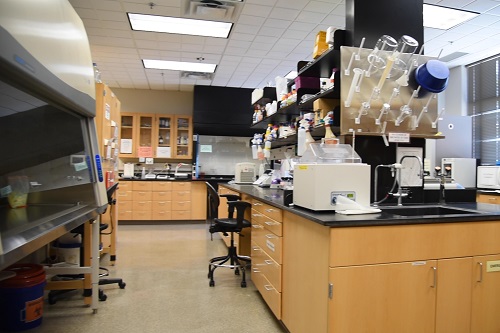
The Biotechnology Center at Western Kentucky University was established to facilitate hands-on educational opportunities for Biology students and to provide technical and educational services and faculty research. The Biotechnology Center is a part of Western's Applied Research and Technology Program.

The mission of the KAS is to catalyze scientific communication and collaboration that will improve research, education, and evidence-based public engagement within the Commonwealth of Kentucky. Select: Membership >> Become a Member >> Join Online Now. On the form, select WKU as your institution and use your WKU email.
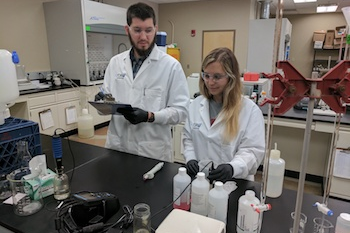
Applied Research and Technology Program (ARTP) consists of 13 scientific and service-oriented Centers providing opportunities for undergraduates to transition from academia to the workplace or graduate programs through participation in applied research and technological projects.
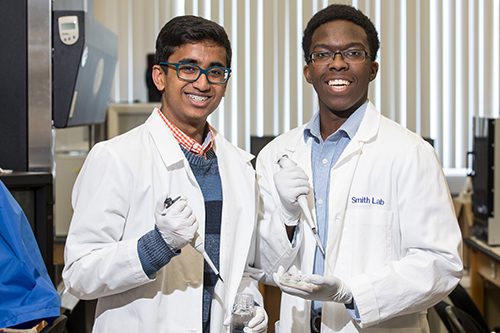
An internship is a great way to get hands-on exposure to different disciplines within biology. Internships can help you decide if your chosen career is right for you! They provide experiential hours required by many professional societies, and you can get upper-level biology credit (BIOL 369).
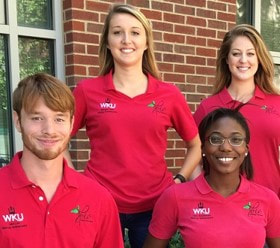
Biology Ambassadors are an elite group of students who assist with recruitment, retention, and advising. They help prospective students and visitors understand that the Biology Department is truly an exceptional place.

BioCoaches are talented upper-division students who serve as peer mentors and learning assistants in our introductory courses. Serving in BIOL 120 is best for AG students, and you'll receive course credit for playing a vital role in student success.
Some of the links on this page may require additional software to view.