

Environmental Health and Safety - Stormwater Management
Stormwater Management
Western Kentucky University developed its Stormwater Quality Management Plan in May of 2010. The plan allows WKU to meet its commitment to environmental stewardship and to obtain coverage under the Phase II Stormwater General Permit under the Clean Water Act. The Storm Water Quality Management Plan is designed to prevent and reduce stormwater pollution. It addresses six minimum control measures:
1. Public Education & Outreach
2. Public Involvement and Participation
3. Illicit Discharge Detection and Elimination
4. Construction Site Stormwater Run-off Control
5. Post-Construction Stormwater Management
6. Pollution Prevention / Good Housekeeping
Report an Illicit Discharge
To the Department of Environmental Health and Safety at: 270-745-2236
After business hours WKU Police at: 911 or 270-745-2548
What is an Illicit Discharge?
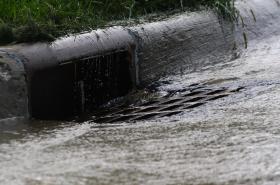
Any release of chemicals, or pollutants to the stormwater system on WKU's campus. Examples include water from washing vehicles, paint brushes, floor cleaning, etc. Only rain water, snow melt and uncontaminated potable water should go into the storm water drains.
Bowling Green and its surrounding areas have lots of caves, disappearing streams, and sink holes. Geologists call such landscapes Karst, and they know that these areas have a lot of underground water resources. There is also greater risk of pollution from activities and spills occurring above ground. For more information about how you can protect ground water, visit the following links:
National Groundwater Association
USEPA Groundwater & Drinking water
Storing and Using WKU's Stormwater
The stormwater collection system utilizes a subsurface detention system to clean and store up to 40,000 gallons of non-potable water in an underground cistern. The stormwater is collected from the roof leaders and foundation drain pipes for Music Rehearsal Hall. It is then piped into the detention system where it is cleaned. The detention system, approximately 54' x 15', will clean the water of any debris (rocks, twigs, leafs, etc.) before being piped to the stormwater cistern. The cistern will hold up to 40,000 gallons before an overflow pipe will allow excess water to enter the site's stormwater system. Through a wall mounted pump control, the collected stormwater can be released to a hose to fill up WKU water trucks for use around the site and campus.
During business hours contact:
Department of Environmental Health and Safety at:
270-745-2236
After hours contact:
WKU Police at:
911 or 270-745-2548
Useful Links:
Some of the links on this page may require additional software to view.